18:15

Vor neunzig Jahren hat der französische Philosoph und Schriftsteller Julien Benda seinen Traktat über „La trahison des clercs“ im Pariser Verlag Grasset publiziert.
18:15
The lecture focuses on confessional reactions to controversial translations. It deals, in particular, with verses 22–45 of “canto XXVIII” of Dante Alighieri’s Inferno, which describe the position and punishment of Muhammad and Ali in hell. Considered by Dante as “seminator di scandalo e di scisma” (sowers of scandal and schism), they are condemned to be perpetually “fessi” (torn asunder). How do Muslims react to the translation of these verses in the languages of predominantly Islamic countries.
„Die Kunst kann nur insoweit ein großer Bundesgenosse der Revolution sein, als sie sich selbst treu bleibt.“ (Leo Trotzki im Juli 1939)
18:15

In seinem Buch „Marx‘ Gespenster“ bemerkt der Erzvater der „Hauntologie“, der französische Philosoph Jacques Derrida, dass ein Phantom niemals wirklich stirbt: „es bleibt stets zu-künftig und wieder-künftig“. Diese Definition trifft wohl in besonderem Maße für das Schicksalsjahr 1933 zu, das in der historischen Imagination des 21. Jahrhunderts noch immer sehr lebendig und spukhaft geblieben ist.
18:15
Die Wiederherstellung der Erwerbsfähigkeit Kriegsinvalider während des Ersten Weltkriegs sollte diese nicht nur ökonomisch in die Gesellschaft reintegrieren, sondern auch emotional wieder in der staatlichen Gemeinschaft verankern und charakterlich zu Staatsbürgern erziehen. Die Praktiken verflochten daher Medizin, Wirtschaft und Moral.
18:15
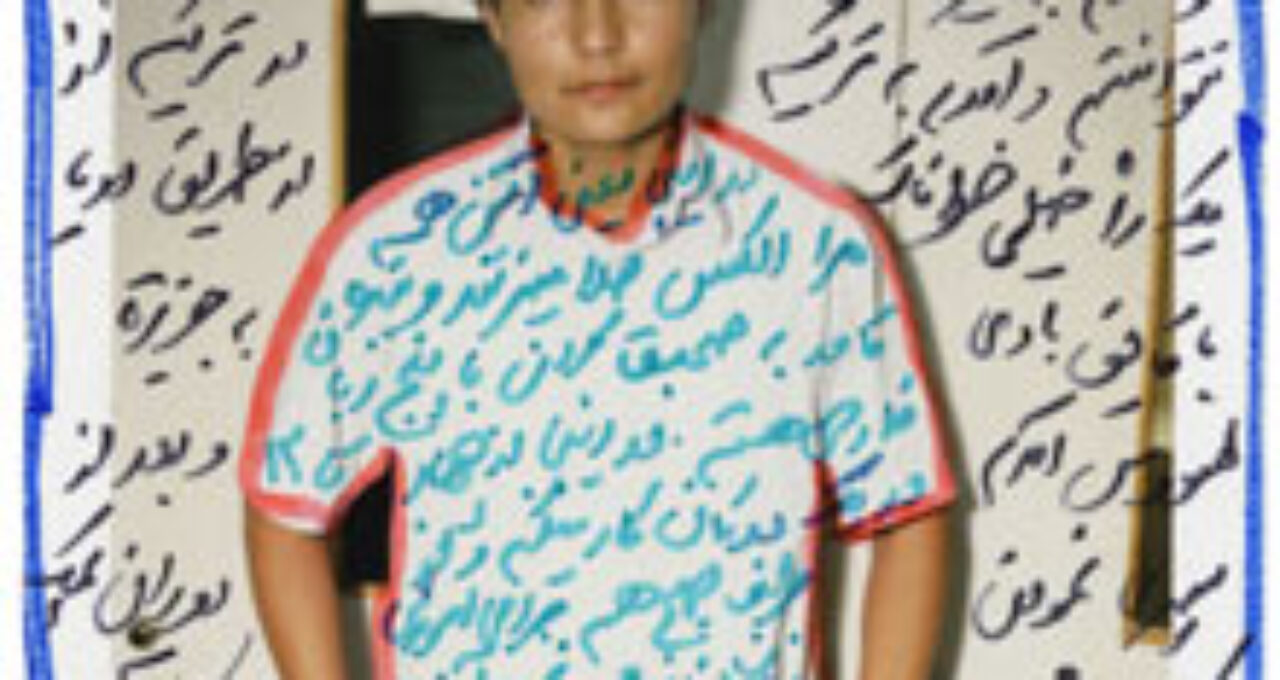
What happens when the theory of translation is not restricted to the translation of cultural representations and symbolic forms, but is extended to include the translation of real people/active subjects, their present life situations? How does the photo-documentary translation of migrants’ lives reshape and diversify our understanding of “cultures of translation”?
18:15
Von der iranischen Grünen Welle bis #BlackLivesMatter – ziviler politischer Aktivismus setzt heute verstärkt auf Videos, die auf Online-Plattformen wie YouTube und Facebook ohne Aufwand und Kosten massenhaft geteilt werden. Chris Tedjasukmana widmet sich dem Videoaktivismus 2.0 und untersucht die Folgen für politische Öffentlichkeiten.
18:15
Latin America has developed, from the 19th century, an interest in reading and translating texts from other languages into our own tone and nuance of Spanish. Borges and Victoria Ocampo were most eminent translators. Mariátegui “translated” Surrealism and Marxism into Peruvian politics and culture. Translation is a founding gesture of independence.
18:15
“What Do Artists Do All Day” is a BBC Four documentary series prudently and pruriently devised to be reality TV’s answer to Giorgio Vasari’s “Vite”. Obliquely, it is a reinterpretation of Richard Scarry’s seminal critical enquiry (for ages 3 to 6) “What Do People Do All Day”, as it is also the pointedly pecuniary theme of the 2016 Manifesta art biennial: “What Do People Do for Money”.
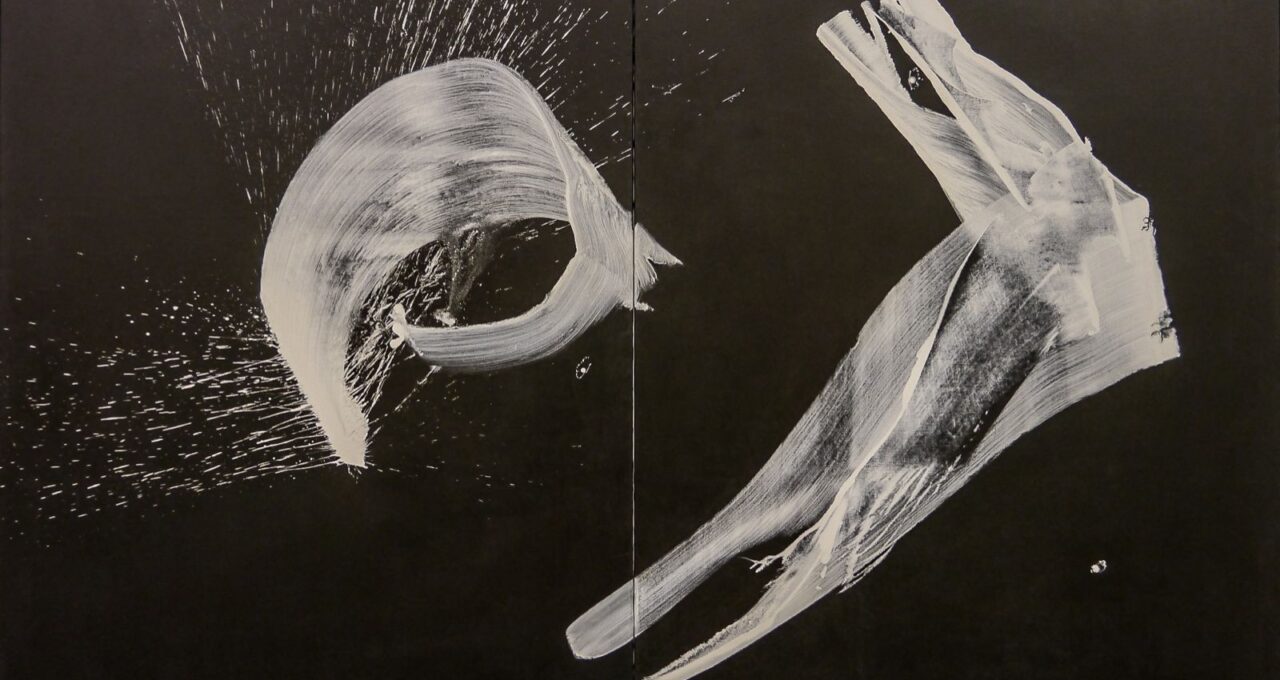
Mediale Praktiken der Momentaufnahme setzen sich derzeit als dominantes Muster der öffentlichen Kommunikation durch. Wie lassen sich ästhetische Konzepte und Gebrauchsweisen von Augenblicksaufzeichnung und Momentaufnahme und ihre historischen Diskursspuren im Lichte der gegenwärtig zu beobachtenden Phänomene lesen?